
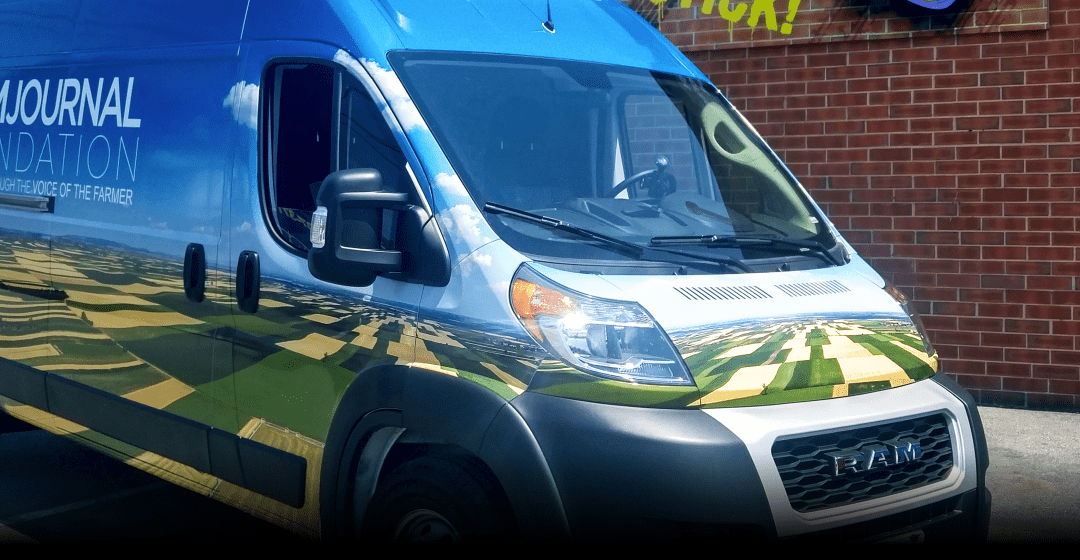
When businesses invest in a vehicle wrap, one of the first questions they ask is simple: how long will it last?
It’s an important consideration. After all, a vehicle wrap isn’t just a decorative graphic. It’s a marketing tool that represents your business every time a vehicle leaves the driveway, arrives at a job site, or travels through your service area. Understanding how long a wrap can last helps business owners evaluate the return on investment and determine whether vehicle wraps are the right advertising solution for their company.
The good news is that a professionally designed and installed vehicle wrap can provide years of visibility and lead generation. In many cases, vehicle wraps continue working long after other forms of advertising have ended, making them one of the most cost-effective marketing investments available.
The Average Lifespan of a Vehicle Wrap
Most professionally installed vehicle wraps last between three and five years under normal conditions. Factors such as vinyl quality, installation methods, weather exposure, maintenance, and vehicle usage all influence longevity. Premium materials and professional installation generally produce the best results.
RoadRunner Wraps notes that they exclusively use brand-name wrap materials and certified installation methods designed to help wraps last beyond the typical three-to-five-year industry average. The company also emphasizes that proper design and installation play a significant role in both appearance and longevity.
While every vehicle is different, most business owners can reasonably expect several years of professional appearance and advertising value from a quality wrap.
What Determines How Long a Wrap Will Last?
Not all wraps age at the same rate. Several factors influence how long a wrap continues to look its best.
Material Quality
The vinyl itself is one of the biggest factors affecting lifespan.
Premium cast vinyl films are designed to withstand outdoor exposure, temperature changes, UV rays, and daily wear. Lower-quality materials often fade, shrink, crack, or peel much sooner than premium products. Industry sources consistently identify vinyl quality as one of the most important factors in wrap durability.
For businesses investing in vehicle graphics, choosing high-quality materials can significantly improve long-term performance.
Professional Installation
Even the best vinyl can fail if it is installed incorrectly.
Proper installation requires extensive preparation, specialized tools, and experience working with vehicle contours, seams, curves, and body panels. Poor installation can lead to lifting edges, trapped air, premature peeling, and shortened wrap life.
RoadRunner Wraps highlights its certified installers and decades of commercial wrap experience as a key reason businesses trust them with fleet and commercial vehicle graphics. The company has completed more than 70,000 vehicle projects since 1988.
Sun Exposure
Ultraviolet radiation is one of the biggest enemies of vinyl graphics.
Vehicles that spend most of their lives parked outdoors in direct sunlight will generally experience more fading and wear than vehicles stored in garages or shaded areas. UV exposure gradually breaks down vinyl and adhesives over time.
Businesses operating in warmer climates should be especially mindful of sun exposure when evaluating wrap longevity.
Weather Conditions
Rain, snow, road salt, dirt, and temperature fluctuations all contribute to wear and tear.
Commercial vehicles often operate in demanding environments, which means wraps need to withstand much more than occasional driving. High-quality wrap materials are specifically engineered for these conditions, but environmental exposure will always play a role in overall lifespan.
Vehicle Maintenance
A clean vehicle typically enjoys a longer-lasting wrap.
Routine washing helps remove contaminants that can degrade vinyl over time. Gentle cleaning methods and wrap-safe products help preserve the graphics and maintain their appearance for years. Industry guidance generally recommends hand washing and avoiding abrasive cleaning methods whenever possible.
Signs a Vehicle Wrap May Need Replacement
Even the best wraps eventually show signs of age.
Common indicators include:
- Fading colors
- Cracking or brittleness
- Peeling edges
- Shrinkage around seams
- Discoloration
- Outdated branding or messaging
In some cases, a wrap may still be physically intact but no longer accurately reflects the company’s current branding. Many businesses choose to refresh their vehicle graphics when logos, services, websites, or marketing messages change.
Why Vehicle Wraps Are a Long-Term Business Investment
One of the biggest advantages of vehicle wraps is their ability to generate value long after installation.
Many forms of advertising require constant spending to remain effective. Pay-per-click advertising, social media campaigns, direct mail, radio ads, and billboards all stop producing results when the budget runs out.
Vehicle wraps work differently.
Once installed, the wrap continues promoting the business every day without additional advertising costs.
A wrapped vehicle generates impressions when:
- Driving between appointments
- Parked at job sites
- Sitting in traffic
- Visiting customers
- Attending events
- Traveling through neighborhoods
RoadRunner Wraps often refers to commercial vehicles as “billboards on wheels,” emphasizing the continuous marketing value they provide. Their philosophy is simple: if you already own the vehicle, why not use it to advertise your business?
Cost Per Impression Over Time
One reason many businesses view wraps as a smart investment is the long lifespan relative to the initial cost.
If a wrap remains visible and professional for several years, the cost per impression can become remarkably low compared to other advertising channels.
Consider a service van that operates five days a week throughout a local market. Over the course of three to five years, that vehicle may be seen by thousands—or even hundreds of thousands—of potential customers.
Unlike many forms of advertising, those impressions continue without recurring monthly fees.
Protecting the Vehicle’s Paint
In addition to advertising benefits, vehicle wraps can also provide a layer of protection for the original paint.
The vinyl helps shield painted surfaces from minor scratches, road debris, UV exposure, and general wear. When removed properly, wraps often reveal paint that has been protected from years of environmental exposure.
For businesses that regularly replace vehicles, preserving paint condition can be an added benefit.
Fleet Vehicles and Long-Term Branding
Vehicle wraps become even more valuable when applied across an entire fleet.
Consistent branding across multiple vehicles helps reinforce recognition and professionalism throughout a service area. Every vehicle becomes part of a coordinated marketing effort that works around the clock.
Companies in industries such as:
- HVAC
- Plumbing
- Electrical
- Landscaping
- Roofing
- Delivery services
- Food service
often benefit significantly from long-term fleet branding strategies.
Final Thoughts
Most professionally installed vehicle wraps will provide several years of visibility, durability, and advertising value when made with quality materials and maintained properly. While factors such as climate, maintenance, and vehicle usage affect lifespan, wraps are generally designed to serve businesses for years rather than months.
More importantly, vehicle wraps should be viewed as long-term business investments rather than short-term marketing expenses. Every day a wrapped vehicle is on the road, it promotes your brand, reinforces customer trust, and creates new opportunities for potential customers to discover your business. When professionally designed and installed, a vehicle wrap can continue generating value long after many other advertising campaigns have come and gone.
Recent Comments